

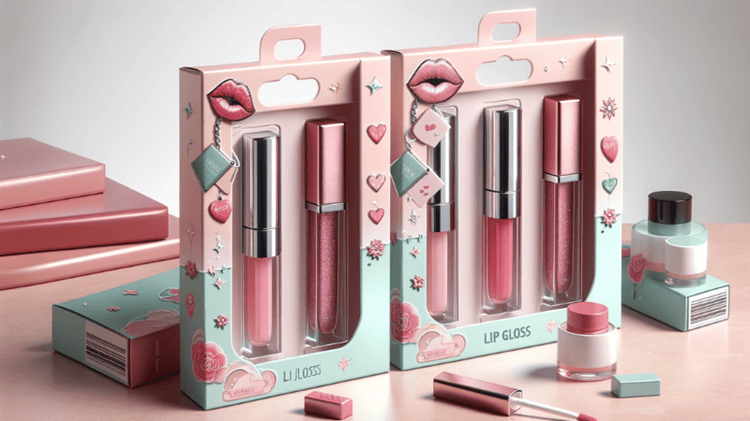
Lip gloss packaging needs to do more than attract attention. It must protect the formula, prevent leaks, control product pickup, feel comfortable during application, and remain visually consistent throughout its shelf life.
A successful package begins with the formula rather than the exterior design. The viscosity, oil content, pigments, shimmer, filling temperature, and intended application style all affect the choice of container, wiper, stem, and applicator.
The following process helps beauty brands move from an initial concept to production-ready packaging.
Define the Product and Target Customer
Begin by defining the product’s position in the market.
A low-cost everyday gloss may need a lightweight standard tube with simple printing. A premium lip oil may use a thick-walled transparent container, weighted cap, metallic decoration, and silicone applicator. A treatment-oriented formula may require a compact package with a clean, clinical appearance.
The packaging brief should include:
- Formula type and viscosity
- Target fill volume
- Intended retail price
- Sales channel
- Target customer
- Required shelf life
- Preferred visual style
- Initial order quantity
- Launch schedule
These details help the packaging supplier recommend realistic options instead of presenting designs that may be visually attractive but technically unsuitable.
Choose the Container Shape
Cylindrical tubes are widely used because they are easy to handle, fill, label, and pack. Square and rectangular containers provide a more distinctive shelf appearance but may use more material and occupy additional shipping space.
Oval tubes feel comfortable in the hand and can provide a wide front surface for branding. Double-wall tubes use an inner bottle and a decorative outer shell to create a thick, glass-like appearance.
Custom shapes can strengthen brand recognition, but they usually require new molds, higher minimum orders, and longer development periods. Many brands achieve a distinctive result by customizing a standard package through color, printing, and finishing.
Select the Right Capacity
Common lip gloss capacities vary according to the product category and target market. Compact packages may suit samples, travel products, or highly concentrated formulas. Standard formats are appropriate for everyday glosses, while larger containers may be used for lip oils or treatment products.
The stated container capacity is not always the same as the commercial fill volume. Enough internal space must remain for the wiper, applicator stem, and formula displacement.
Too much empty space can make the package look underfilled. Too little space may cause overflow when the applicator is inserted.
Match the Applicator to the Formula
The applicator has a major influence on the user experience.
Doe-foot applicators have a flocked surface that collects and spreads the formula. They are suitable for many medium- and high-viscosity glosses.
Reservoir-style applicators hold more product and may reduce the number of dips needed. A pointed tip improves precision around the lip line, while a broad paddle covers a larger surface.
Brushes can work well with lightweight lip oils. Silicone tips do not absorb much formula and are easy to wipe clean, making them suitable for treatments, masks, and skincare-inspired products.
Brands designingcustom lip gloss tubesshould test several applicator shapes with the actual formula before approving the final combination.
Select and Test the Wiper
The wiper sits inside the neck of the container and removes excess formula from the stem and applicator.
A wide wiper opening may leave too much product on the tip, leading to dripping or a messy container neck. A narrow opening may remove too much formula or create excessive resistance when the applicator is withdrawn.
The wiper must also allow the applicator to pass without damaging the flocking or pulling the tip from the stem.
Testing with the actual formula is essential because small changes in viscosity can alter product pickup significantly.
Choose Packaging Materials
Lip gloss containers may be made from PETG, PET, PP, ABS, acrylic, or combinations of these materials.
PETG offers clarity and impact resistance. Acrylic-style outer shells create a premium appearance but may require a separate inner bottle. PP is commonly used for caps, stems, and wipers because it provides useful stiffness and chemical resistance.
The packaging should undergo compatibility testing with the formula. Oils, fragrances, solvents, and pigments may cause stress cracking, swelling, discoloration, or damage to decorative coatings.
Develop the Visual Design
Decoration options include silk-screen printing, hot stamping, labels, frosting, color spraying, gradient effects, metallization, and custom cap finishes.
The design should remain readable on the actual container. Fine text, barcodes, metallic details, and logos positioned near curved surfaces require careful review.
Physical samples are more reliable than digital mockups for judging color, gloss, texture, and metallic reflection.
Test Before Production
Final testing should evaluate leakage, cap torque, wiper retention, applicator pickup, stem strength, formula compatibility, decoration durability, and transport resistance.
A pilot filling run can also identify problems involving fill level, wiper insertion, capping, and packaging cleanliness.
Effective lip gloss packaging combines visual identity with controlled dispensing and technical reliability. By starting with the formula and testing the complete component system, brands can create packaging that performs as well as it looks.